Paint does not fail all at once. It dulls, then it hazes, then one day the colour looks flat and you cannot say when it happened. In Sydney two things do most of that work, and both are free, constant, and easy to ignore until the damage is done.
The short version
- The Bureau of Meteorology has kept weather records at Observatory Hill, station 066062, since 1858, and the mean annual rainfall there is about 1,213 mm. The rain is not the problem. The sun between it is.
- ARPANSA rates any UV Index of 3 or above as needing sun protection, and through a Sydney summer the index sits in the Extreme band, 11 and over.
- The same ultraviolet that burns skin breaks down a car's clear coat, which is the thin top layer doing all of the shine and most of the protecting.
- Near the water, from Bondi through the Eastern Suburbs, salt in the air lands on the paint and speeds up both the fading and the corrosion underneath.
- A wash lifts the salt, a decontamination and machine polish reset the clear coat, and a coating buys you time against both.
What the clear coat actually is
Modern car paint is built in layers. There is primer on the metal, then the colour, and over the top a clear coat that carries no pigment at all. That clear layer is the one you actually see when the car shines, and it is thinner than a sheet of paper. Everything that makes paint look good, the depth, the gloss, the wet look, happens in those few microns.
It is also the sacrificial layer. It is meant to take the hits from grit, detergent, bird mess and sunlight so the colour underneath stays sealed. Once the clear coat is worn through or oxidised, there is no polishing it back, because there is nothing left to polish. Protecting it is cheaper than replacing it, and replacing it means a respray.
This is why a good exterior detail spends most of its time on the clear coat: washing it without adding scratches, pulling contamination out of it, and then either polishing or sealing it. Get that layer right and the car looks after itself for longer.
Why Sydney sun is harder than most
Australia gets more ultraviolet than almost anywhere people live, and Sydney is no exception. The way to read it is the UV Index, which Cancer Council Australia and ARPANSA both publish. Anything of 3 or above is strong enough that you are told to cover up, and a clear summer day here runs far past that.
The UV Index, in plain numbers
The scale groups the numbers into bands: 2 or less is Low, 3 to 5 is Moderate, 6 to 7 is High, 8 to 10 is Very High, and 11 or over is Extreme. Sydney reaches that top Extreme band on clear days through summer, which ARPANSA's own UV monitoring shows year after year. Your paint is parked out in that all day, with no hat and no shade.
UV does to a clear coat roughly what it does to a plastic chair left on the balcony: it breaks the bonds that hold the surface together. The gloss goes first, then a chalky haze appears, and on older or neglected paint the clear coat starts to flake. A garage helps enormously. A carport helps. A spot under a tree helps with the sun and then hurts you with sap, which is its own problem.
The coastal half of the problem: salt
The second thing working on your paint is salt, and it is worst near the water. Cars parked around Bondi and through the Eastern Suburbs sit in air that carries a fine salt mist off the ocean. It settles on every horizontal surface, and unlike dust it is hygroscopic, meaning it pulls moisture out of the air and holds it against the paint and the metal.
On the paint that speeds up the dulling. In the seams, around the wheel arches and under the doors, it speeds up corrosion. It is invisible and it does not rinse off in light rain, which only wets it and spreads it. The only thing that removes it reliably is a proper wash with the right products, done often enough that it never gets a chance to build up.
What it looks like on the car
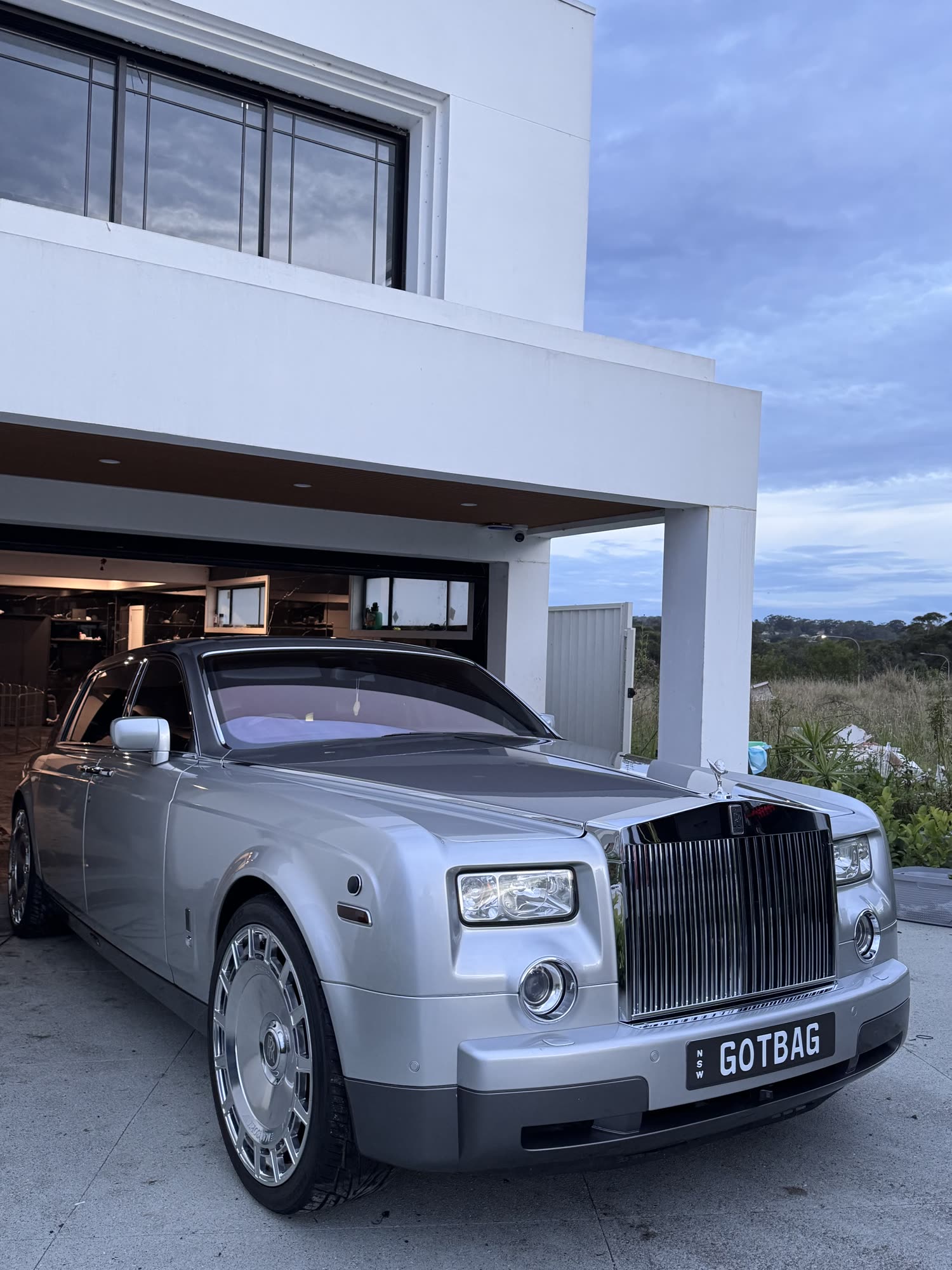
By the time most people notice, the damage has a few familiar shapes. Swirl marks, the fine spider web of scratches you see under direct sun, usually come from washing, not from the weather, but UV and salt make tired paint scratch more easily. Water spots, the ring stains left when hard water or salty mist dries on hot paint, etch in if they are left. And oxidation, the flat chalky look, is the clear coat itself breaking down.
Bird droppings and tree sap
These two deserve their own warning because they work fast. Bird droppings are acidic, and on paint that is sitting at fifty degrees in the sun they can etch a permanent mark into the clear coat in a matter of hours. Tree sap does the same and then bakes on hard. The rule is simple: get them off as soon as you see them, gently, with water and a proper product, not a dry rag that grinds them in.
What actually reverses it
Not everything here is permanent. A car that is dull but not worn through can be brought most of the way back. It starts with a decontaminating wash that removes what a normal wash leaves behind, and then, depending on the state of the clear coat, either a polish or a full paint correction.
Paint correction versus a quick polish
A quick polish fills and hides fine marks for a while. A paint correction machines the defects out of the clear coat in stages, so the finish is genuinely corrected rather than masked. It is slower and more careful work, and it is the honest answer when the paint has real swirling or oxidation. On a dark car especially, the difference is night and day.
Once the paint is corrected, the smart move is to protect it, and that is where a ceramic coating earns its keep in this climate. A coating adds a hard, UV resistant layer over the clear coat, sheds water and salt, and makes the fortnightly wash quicker. It does not make the car bulletproof, but against Sydney sun and coastal air it is the closest thing to buying time.
Doing it yourself, and where the line is
Plenty of this is within reach at home. Wash often, wash in the shade, use two buckets and a pH balanced soap so you are not adding the very swirls you are trying to avoid, and never run a dry cloth over dry paint. Get bird droppings off the moment you see them. Keep the car out of the direct afternoon sun where you can.
The line is the machine work. Paint correction and coating are where a mistake costs real money, because a rotary in the wrong hands burns through the clear coat you are trying to save. That is the point to bring in someone who does it every day. You can see the kind of results it produces in our recent work.
How where you park changes everything
Two identical cars can age completely differently based on nothing more than where they spend the day. Sun, salt, sap and bird droppings are all a question of exposure, and exposure is a question of the parking spot. It is the cheapest lever you have, and most people never think to pull it.
A garage is the single biggest thing you can do for paint in Sydney. Out of the sun for the working day, the clear coat is not sitting in the Extreme UV band getting cooked, and the daily temperature swings that help contaminants etch in never happen. A garaged car can genuinely go longer between details and hold its finish for years.
A carport is the next best thing, and even a shade cloth over a regular spot takes the worst of the sun off. What you want to avoid, where you can, is the all day park in the open, or the spot directly under a tree, which trades the sun for a steady fall of sap, pollen and the bird traffic that branches attract.
If none of that is available, the answer is not to give up, it is to shorten the gap between washes. A car that lives on the street near the coast is being worked on constantly by the salt and the sun, so it needs the attention more often, not less. A regular wash is what stops the exposure from ever adding up to real damage.
There is also a habit that costs nothing. On a car that lives outside, the side that faces the afternoon sun always fades first, and on an older car you can see it as a faint colour difference between the two halves of the bonnet. Turning the car around now and then spreads that load instead of letting one side take all of it.
For a car that has to live outside, a decent car cover is a reasonable middle ground, with one condition: it has to be clean and it has to fit properly. A gritty cover, or a loose one that flaps in the wind all day, will sand fine scratches into the paint faster than the sun ever would. A good cover on a clean car helps. A bad cover is worse than nothing.
None of this replaces the wash, it just buys the wash more time. Paint that is looked after and parked with a little thought stays glossy for years. Paint that sits in the open and gets cleaned twice a year does all of its ageing at once, and the bill for putting it right arrives as a correction rather than a detail.
Where to start
If your paint has gone flat, or you have just bought something with swirls in it, the first step is a look and an honest read on the clear coat. A full detail resets the surface, a correction removes the defects, and a coating holds the line afterwards. We come to you anywhere across Sydney, seven days a week, and every job is backed by our 100% satisfaction guarantee.
Tell us what you are driving and where it lives, and we will come back with a free quote. Get in touch and we will find a time that suits.